nstalling a solar system is a long-term investment, making it important to choose the right solution. Every property has unique energy requirements, and selecting the correct system ensures maximum performance and savings.
Understand Your Energy Consumption
The first step is reviewing your monthly electricity usage. Looking at your electricity bills helps determine how much power your solar system should generate.
Evaluate Your Roof
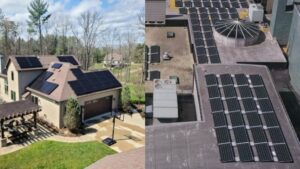
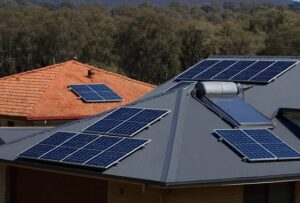
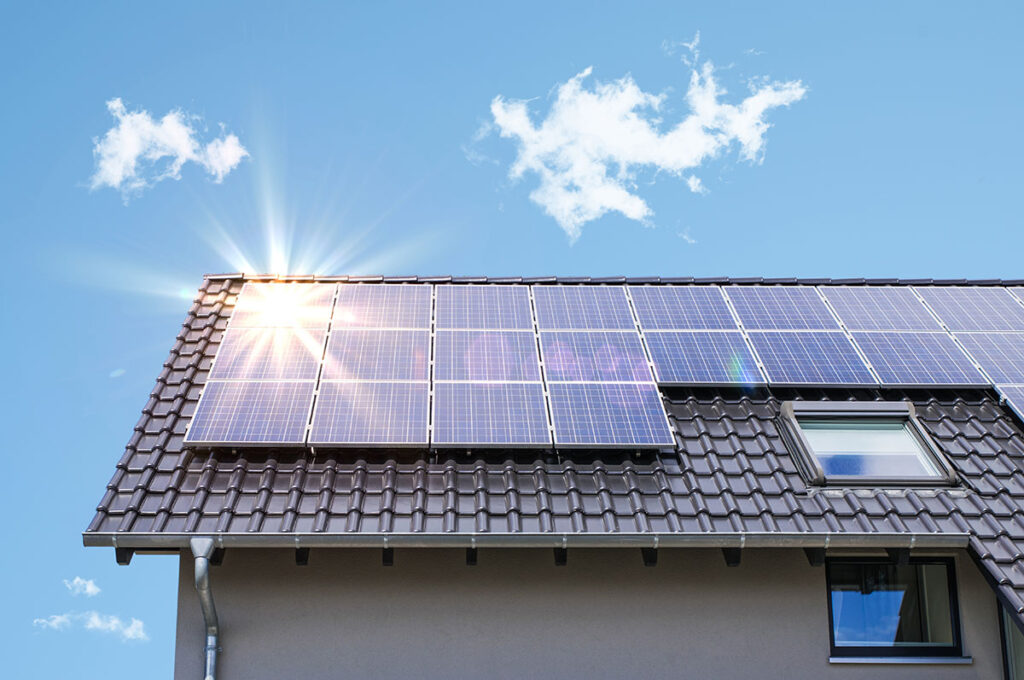
Your roof plays a major role in solar performance. Factors such as available space, direction, tilt, and shading all affect energy production. South-facing roofs generally receive the most sunlight, but professional installers can recommend the best setup for your property.
Select High-Quality Components
A solar system consists of several important components, including solar panels, inverters, mounting structures, and electrical accessories. Investing in premium-quality equipment ensures higher efficiency, longer lifespan, and fewer maintenance issues.
Think About Future Energy Needs
If you plan to expand your home, install air conditioners, purchase an electric vehicle, or grow your business, choose a system that can handle future electricity demands.
Professional Installation Matters
Even the best solar equipment performs poorly if installed incorrectly. Working with experienced professionals ensures your system is installed safely and efficiently while complying with local standards.
Conclusion
Choosing the right solar system requires careful planning. A professional consultation can help you select the most efficient solution based on your energy needs, budget, and long-term goals.