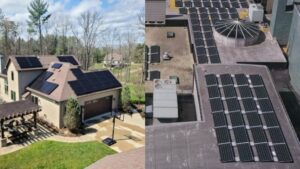
Solar energy is suitable for both homes and businesses, but the requirements for each type of installation are quite different. Understanding these differences helps property owners make informed decisions.
Residential Solar Systems
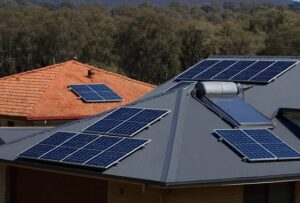
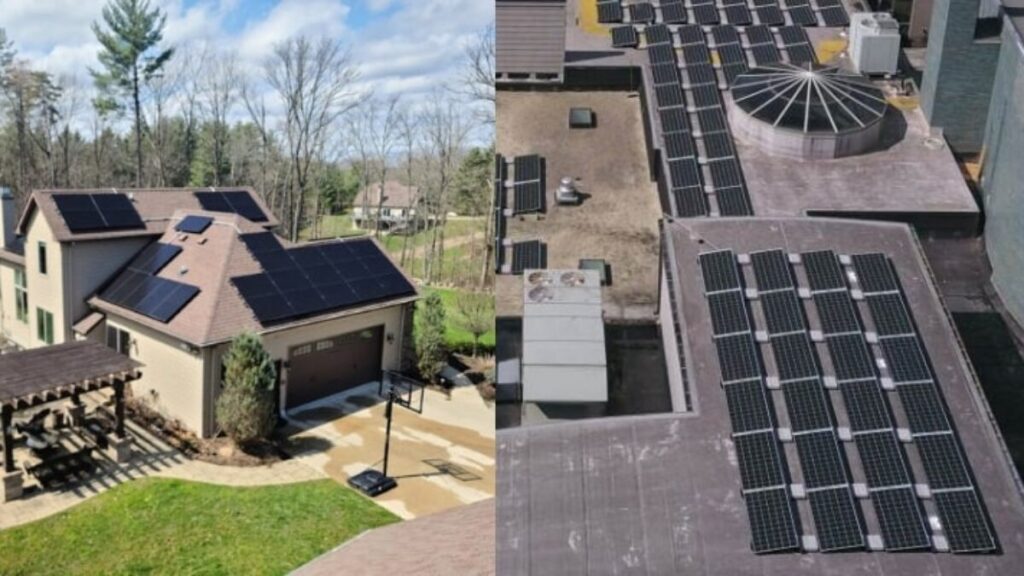
Residential systems are designed for houses and apartments. Their primary goal is reducing household electricity bills while providing reliable renewable energy. These systems are usually smaller in size and designed to match family energy consumption.
Commercial Solar Systems
Commercial solar installations are built for offices, factories, schools, hospitals, warehouses, and industrial facilities. Because businesses consume significantly more electricity, commercial systems require larger panel arrays and more powerful inverters.
Installation Process
Commercial installations often require detailed engineering assessments, structural evaluations, and advanced electrical planning due to their larger scale.
Residential systems, on the other hand, are generally simpler and can often be completed within a few days.
Cost and Return on Investment
Commercial systems have higher installation costs but also generate greater savings due to higher electricity consumption.
Residential systems usually require a smaller investment while still delivering excellent long-term returns through reduced monthly bills.
Which One Should You Choose?
The right system depends entirely on your property type, electricity usage, available installation area, and future energy goals.
Final Thoughts
Whether you’re a homeowner or business owner, solar energy offers a smart way to reduce energy costs while supporting environmental sustainability.